

What Is Private Mental Health?
Private mental health requires the treatment plan being tailored to you. This could mean visiting your therapist at home, or for more serious cases, 24/7 live-in assistance.
In the past, psychiatric treatment for patients were primarily treated in two locations: specialist units in community hospitals as well as a private psychiatric hospitals.
You are in Control
Mental illness can have a profound impact on the lives of those suffering from it. It can be difficult to make it through the day, to maintain working, or even go to work. Many people need assistance with their symptoms and may get it through private mental health clinics. Private mental healthcare is often less expensive than going through public services and can provide a more personalized experience.
It is crucial to select a therapist or psychiatrist who is licensed. You can find this out by asking about their qualifications and finding out if they are registered with any official body. You can also review any reviews or scores that they have received from their patients.
Some patients have to be admitted to a hospital in order to receive psychiatric care. It could be that they suffer from a severe episode of mental illness, and require more intensive care. Also, they could be at risk of causing harm to themselves or others in their home, and therefore need to be admitted. Admissions to psychiatric facilities can be made through the emergency department of general hospitals or by a mental health team in the community. Private hospitals also provide in-patient psychiatric care.
The COVID-19 pandemic has highlighted the need for both public and private mental health care to provide complementary capabilities in increasing capacity for surges and continuing complex health care and hospital services. This includes a swift transition to telepsychiatry within metropolitan areas to maintain continuity of care for existing patients.
You get the care you Need
In the UK private healthcare providers like Claimont provide assistance those suffering from mental health issues. Private therapists permit you to get treatment earlier than the NHS. The service also has high levels of satisfaction for patients. The Care Quality Commission, for example, is a watchdog and publishes the quality of the care provided by private therapists.
The NHS does not always permit you to select your therapist or the frequency of your sessions. You can find an accredited list of therapists on the website for the British Association of Counselling and Psychotherapy (BACP). Check that your therapist is licensed and certified to practice. All doctors should be registered with the General Medical Council and if you are looking for a psychiatrist, they should be an active member of the Royal College of Psychiatrists.
Some people are able to receive mental health care through their employer's employee-assistance plan or through private health insurance. A number of states have expanded Medicaid, a federal-state health insurance program, to provide insurance to those earning less than 138% of poverty level, including those with mental illness. Certain people who suffer from chronic medical conditions also receive mental health benefits through Medicare.
In-patient psychiatric services in the United States is increasingly available only through specialist units at general community hospitals or private psychiatric facilities which are not for profit. These facilities are smaller than traditional inpatient mental hospitals and focus on treating individuals instead of treating large numbers of patients.
The majority of inpatient mental health care is now available at these facilities, but some psychiatric treatments are accessible through the public mental health system and private insurance. Admissions to public psychiatric hospitals continue to decrease and there is a growing movement toward outpatient treatment. This will impact both the availability and number of the psychiatric hospitals. Private insurers tend to limit the scope of therapies they cover and also to not provide cutting-edge or holistic therapies.
You will receive the best treatment
Private mental health care is the most effective option for treatment. Private practice therapists have the ability to specialize in various types and kinds of therapy, and they can provide flexible scheduling. This lets you receive the treatment you require whenever you require it, without having to wait months for a place in an in-person mental-health program or worry about your insurance company taking your claim into consideration.
Private therapists are able to work with clients who don't have health insurance or who want to pay out of pocket. They can offer a range of therapeutic options that will meet the needs and preferences of their clients, such as face to face sessions, telephone therapy or videoconferencing. They can assist clients with mental disorders and illnesses like depression, anxiety and medical issues. They can also help with addiction issues, relationship issues and PTSD.
However many mental health public programs and providers are limited to offering services for specific conditions. In some instances they may not offer the most up to date treatment or address all of your needs for mental health and wellness. The severity requirements to be eligible for treatment can vary. Public mental health services can be the best option when you are in a state of crisis and require immediate help, or if you have severe, co-occurring, or complex conditions that require specialized treatment.
Private in-patient psychiatric care is typically provided either by specialty units within community hospitals or privately-owned psychiatric facilities. The number of beds for psychiatric patients in private hospitals peaked in 1992 with 475 beds. This number has since dropped to less than 1000. In the affluent north of New York City there used to be four private hospitals for profit. Now there is only one.
Many private mental health clinics are part of insurance networks. This means you can receive treatment from the preferred provider of your insurance company and can save you money. If you don't have health insurance, private therapists can also offer a flat fee for their services. If you're looking for private therapists, New York has one of the largest concentrations of trained professionals in the United States.
You will receive the help you need
Many people looking for mental health support encounter the process of finding psychotherapists or therapists disorienting and difficult. They spend hours typing out inquiries in emails and making phone calls but end up with nothing. They might also discover that the only therapists in their insurance network who are available until next year or do not meet their needs.
This process can be made easier by locating a private therapist who is a member of a professional body that has set standards for good practice. These bodies have websites that include directories of private therapists who are registered members. The British Association for Counselling & Psychotherapy (BACP) is one example of an official body which regulates the profession. It also has a searchable directory on its website.
There are a variety of organizations which provide free or low-cost emotional and psychological support. Some of these tools for finding a local service can help you find a local service. private mental health assessment near me , such as the National Association of Free & Charitable Clinics and the non-profit Open Path Psychotherapy Collective have an extensive network of low-cost treatment centers.
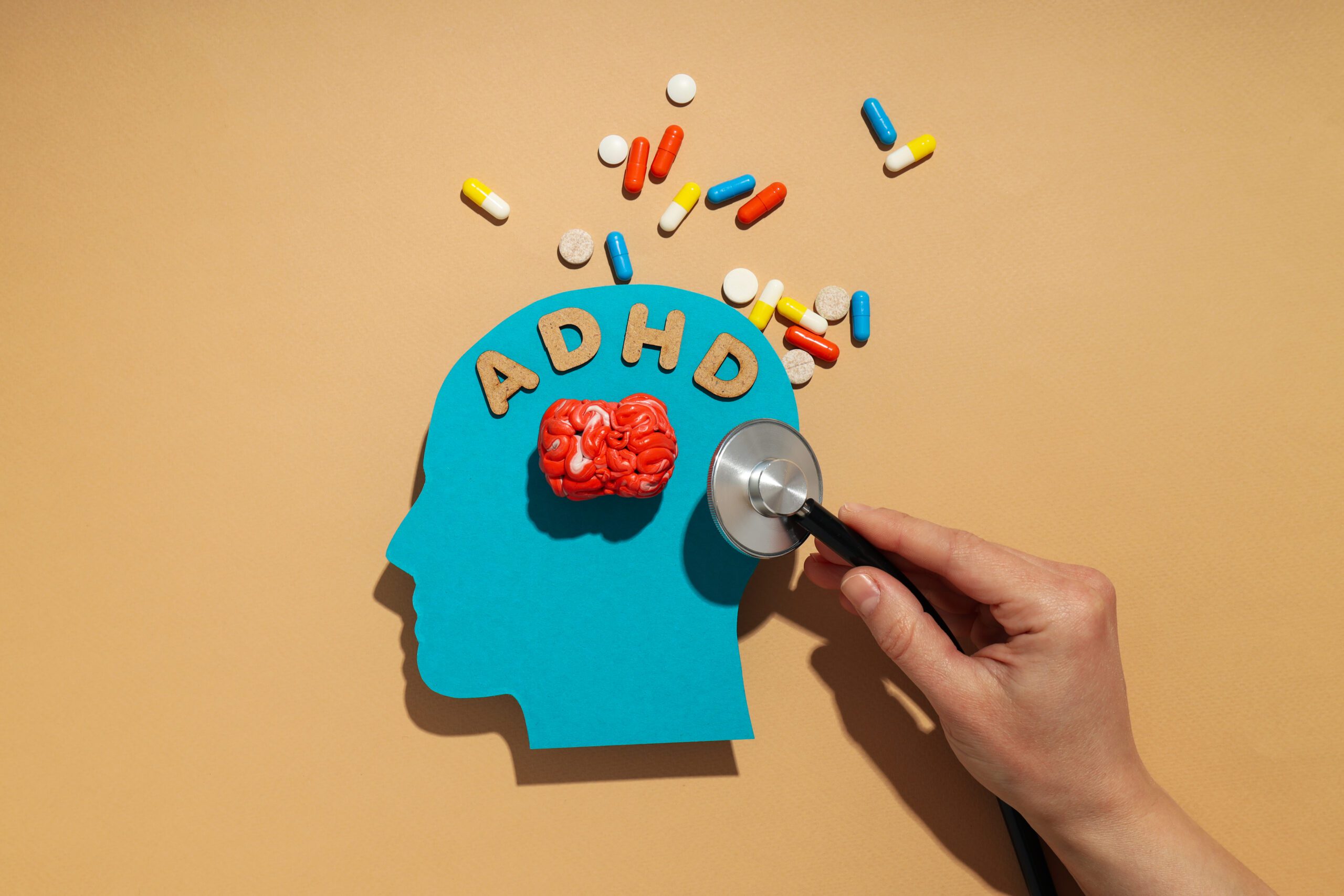
Public mental health professionals are a good option if you require immediate assistance or if your condition requires specialist treatment. They also provide integrated programs to treat co-occurring disorders like substance abuse and mental illness.
However, for people with mild to moderate symptoms or those who aren't in a crisis, private options are more appropriate and affordable. They could also be an ideal option for those who prefer the security and flexibility of private health care.
Private facilities, in contrast to NHS services tailor their care to the specific needs of every individual client. Private mental health services can accommodate longer stays if needed. Although inpatient treatment for the majority of insurance plans is limited to 30-60 days, private facilities can provide longer stays if required. This allows patients to recover more fully and discover their true self, outside of their illness.